


Women's empowerment practices through the Sasi Label developed within the GEF-6 CFI Indonesia project became the focal point of discussion during Pre-Conference Workshop 2B: Strategic Communication as part of the 11th GEF International Waters Conference (IWC11) series in Bali on Sunday (18/10). This workshop brought together participants from various projects to share experiences, formulate strategic messages, and identify opportunities so that local-level best practices can reach broader audiences.
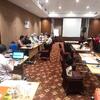
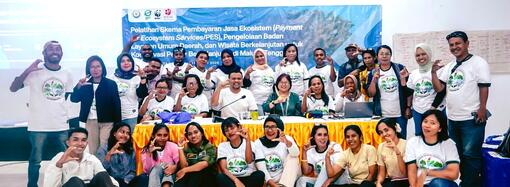
 IWC11 Bali Strategic Communication Workshop, October 18, 2026. Participants, including CFI Indonesia representatives, attended the Pre-Conference Workshop: Strategic Communications to strengthen communication strategies and share best practices in sustainable environmental and aquatic management.
GEF-6 CFI Indonesia was represented by Ahadar Tuhuteru as the Knowledge Management, Monitoring, and Evaluation (KMME) Specialist and Faridatun Amalia Hasanah as the Gender Specialist. In the discussion groups they joined, the theme “Women Empowerment through Sasi Label” was chosen as the focus to explore how women's empowerment approaches can be communicated as relevant best practices for other projects.
Translating Project Learnings into Strategic Messages
The workshop held in the Jimbaran Room utilized the Strategic Message Framing Canvas as a tool to structure communication messages methodically. Participants worked in groups to identify desired outcomes to convey, priority audiences, audience interests, reasons for the importance of the discussed issue, supporting evidence, development opportunities, and expected actions.
In the group discussion, Sasi Label was raised as an example of an approach connecting local wisdom in fisheries management with women's empowerment and coastal community livelihood strengthening.
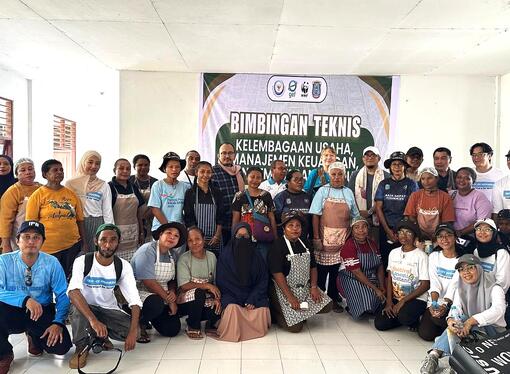
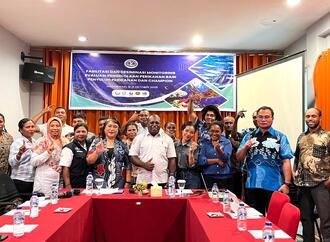
.jpeg) Sasi Label and Women's Empowerment, GEF-6 CFI Indonesia Best Practice, Becomes a Group Discussion Theme at the IWC11 Strategic Communication Workshop in Bali. The discussion highlighted the Sasi Label experience as a local wisdom-based approach to support sustainable fisheries management and strengthen the added value of coastal community fishery products.
From communication and knowledge management perspectives, this discussion emphasized the importance of packaging project experiences into easily understandable messages supported by relevant evidence capable of providing learnings for other stakeholders.
“Strategic communication is important because it helps us translate project experiences into clear messages that different audiences can understand and learn from. Through this discussion, we explored how the Sasi Label experience can be communicated not only as a project activity, but also as a good practice that may inspire other initiatives.” – Ahadar Tuhuteru, KMME Specialist, GEF-6 CFI Indonesia.
Through this process, participants also discussed opportunities to broaden the reach of best practices, engage other communities, form new groups, and strengthen support for women's empowerment initiatives. This discussion helped identify how experiences developed in one location can serve as a source of learning for other initiatives, while considering the contexts and needs of each community.
Sasi Label: Connecting Local Wisdom and Women's Empowerment
From a gender perspective, Sasi Label serves as an approach introduced to show how local wisdombased resource management can run hand in hand with efforts to strengthen women's roles in coastal community economic activities.
Faridatun Amalia Hasanah, Gender Specialist for GEF-6 CFI Indonesia, explained that women's empowerment must be viewed as part of broader efforts to encourage meaningful participation, strengthen group capacity, and open opportunities for women to develop businesses and assume larger roles at the community level.
“Through the Sasi Label initiative, we aim to connect local wisdom and sustainable fisheries management with women’s empowerment and livelihood opportunities. We want women to have meaningful opportunities to participate in local economic activities, develop their businesses, and contribute to the sustainability of their communities. This experience also offers lessons that can be shared with other initiatives working to strengthen women’s participation in sustainable resource management.” – said Amalia.
During discussions, participants raised several aspects deemed important to strategically convey women's empowerment practices, including women's participation, livelihood sustainability, capacity development, and evidence demonstrating the approach's benefits. Discussions also highlighted the importance of expanding opportunities for women's groups to share experiences and become part of cross-community learning processes.
Knowledge Exchange Through Rolling Discussions
A crucial element of the workshop was the rolling group discussion method. After discussing their respective themes, participants shared discussion results and presented conclusions to other groups.
Through this method, each group gained the opportunity to introduce discussed best practices, receive perspectives from other participants, and learn how different projects frame messages and communicate activity outcomes.
The theme “Women Empowerment through Sasi Label” became one of GEF-6 CFI Indonesia's learnings introduced during this exchange process. Discussions focused not only on implemented activities, but also on how those experiences can be communicated to remain relevant to wider audiences.
.jpeg)
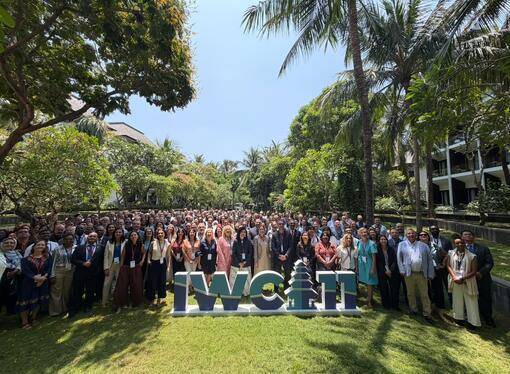
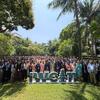
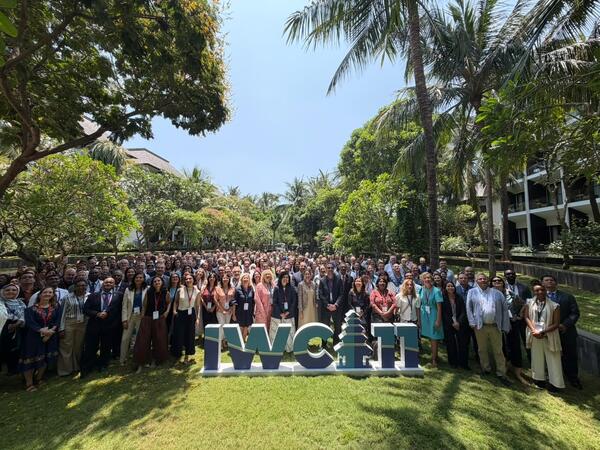
Group photo of Communication Strategy Workshop participants during the 11th Global Environment Facility (GEF) Biennial International Waters Conference (IWC11) activities in Bali, October 18, 2026. This activity served as a space for experience and knowledge sharing among participants in strengthening communication strategies, knowledge exchange, and disseminating best practices in sustainable environmental and aquatic management.
The involvement of Ahadar and Amalia brought together communication and knowledge management perspectives with gender mainstreaming. This collaboration is vital to ensure project learnings are delivered in a targeted manner while showcasing women's experiences and roles in empowerment processes.
Through inter-group discussion and presentation processes, participants also gained opportunities to compare approaches, exchange ideas, and identify development opportunities for best practices matching respective project contexts.
Expanding the Reach of Women's Empowerment Best Practices
GEF-6 CFI Indonesia's participation in the Strategic Communication Workshop formed part of efforts to scale up learnings from women's empowerment and sustainable fisheries management programs. Through Sasi Label, grassroots-developed experiences can be introduced as approaches connecting local wisdom, women's participation, and coastal livelihood strengthening.
The strategic message formulation process also helped identify opportunities to reach other communities, expand the replication of best practices, and build support strengthening the sustainability of women's empowerment initiatives.
This workshop demonstrated that strategic communication plays an essential role in ensuring project learnings do not halt upon activity completion. With targeted messages, relevant evidence, and knowledge exchange spaces, grassroots experiences can become beneficial learning materials for other projects.
Through participation in IWC11, GEF-6 CFI Indonesia continues to bring learnings regarding women's empowerment and local wisdom-based fisheries management into international exchange arenas, while strengthening efforts so that developed best practices can be understood, shared, and potentially adapted across different contexts.
0 COMMENTS