
Coastal ecosystem protection demands conservation policies coupled with sustainable funding mechanisms that deliver tangible benefits to communities safeguarding them. One approach developed is Payment for Ecosystem Services (PES).
To promote this approach, the Ministry of Marine Affairs and Fisheries (MMAF), the National Research and Innovation Agency (BRIN), and GEF-6 Coastal Fisheries Initiative (CFI) Indonesia organized Training on Payment for Ecosystem Services (PES) Schemes, Regional Public Service Agency (BLUD) Management, and Sustainable Tourism for Sustainable Coastal Conservation in Southeast Maluku Regency.
.jpeg)
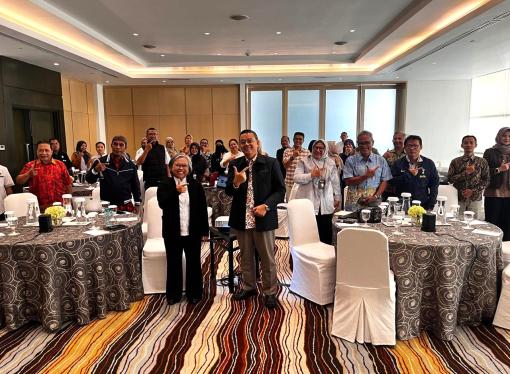
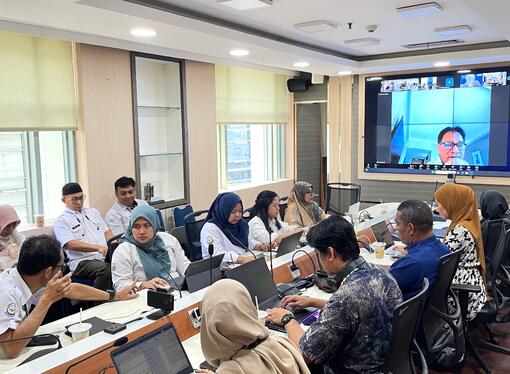
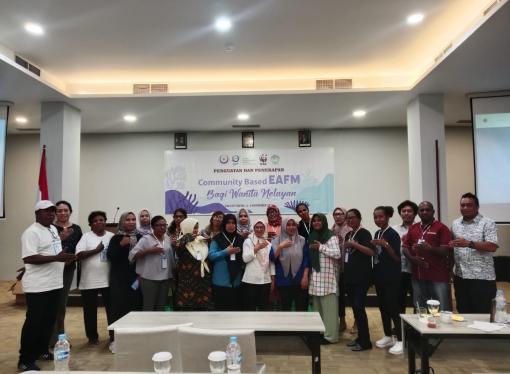
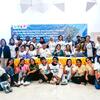
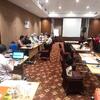
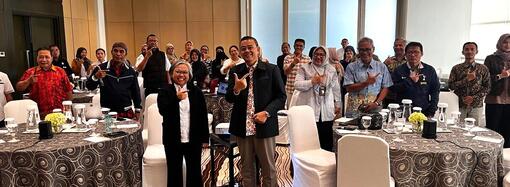
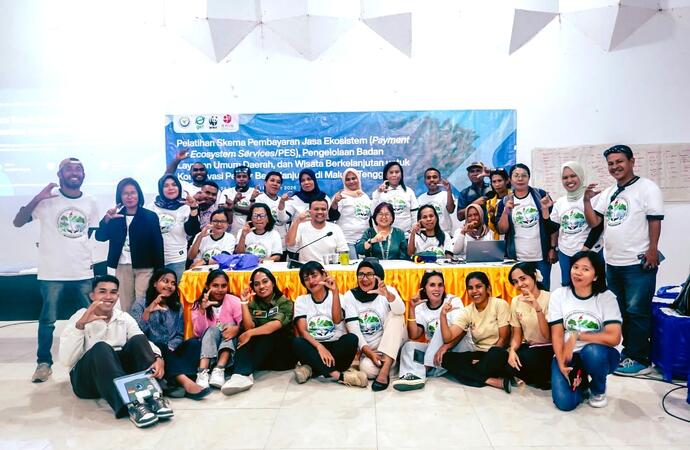
As many as 20 participants from the Fisheries Service, Tourism and Culture Service, BAPPERIDA, and WWF Indonesia attended the Training on Payment for Ecosystem Services (PES) Schemes, Regional Public Service Agency (BLUD) Management, and Sustainable Tourism for Sustainable Coastal Conservation in Southeast Maluku Regency. This activity was facilitated through funding support from GEF-6 CFI Indonesia as an effort to strengthen stakeholder capacities in developing alternative conservation financing, institutional governance, and sustainable marine tourism management in Langgur (23/9).
The activity took place on Wednesday, September 23, 2026, at the BAPPERIDA Office Meeting Hall, Ohoijang Watdek Subdistrict, Southeast Maluku Regency. Twenty participants from the Fisheries Service, Tourism and Culture Service, BAPPERIDA, and WWF Indonesia participated in the training to strengthen institutional capacity and understanding regarding alternative conservation financing options.
This program forms part of GEF-6 CFI Indonesia coordinated by MMAF with grant support from WWF-US as the GEF Agency. Through collaboration with BRIN, the program promotes PES development as a scientifically grounded approach and economic incentive to support environmental protection and restoration.
PES: Providing Economic Value to Conservation Efforts
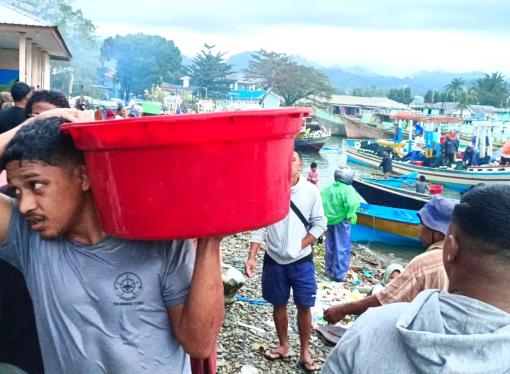
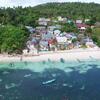
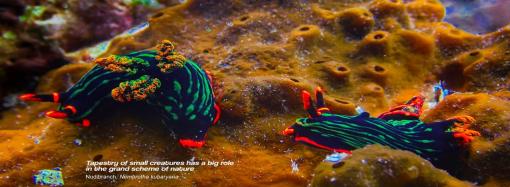
Southeast Maluku Regency possesses rich ecosystems, ranging from forest areas and coral reefs to coastal and marine territories serving as community livelihood sources. These ecosystems provide environmental services encompassing coastal protection, carbon storage, biodiversity habitat, and support for fisheries and tourism productivity.
However, various natural resource utilization activities can exert pressure on ecosystem sustainability. Consequently, an approach is required that not only regulates resource utilization but also provides incentives to communities and managers contributing to its preservation.
Through PES, the benefits of ecosystem services can be identified and economically evaluated. This value forms the basis for developing payment or compensation mechanisms from environmental service beneficiaries to communities and managers maintaining ecosystems.
BRIN Senior Researcher Husein Rifai explained that marine ecosystem services hold economic value that can be calculated and developed as alternative conservation funding. Funds acquired through PES schemes are expected to support environmental protection and restoration activities. Government support represents an essential factor in developing such mechanisms.
Strengthening Institutions and Sustainability Strategies
The training featured several resource persons, including Prof. Umi Muamanah, M. Hakim Huda, M.Sc., M. Taufik Hidayat, S.Pi., MA, alongside representatives of BUMD, BLUD, and BMD Directors. Materials covered PES schemes, BLUD management, and sustainable tourism.
BLUD management constituted a vital discussion point because area institutions and public services require governance, operational capacities, and financing mechanisms supporting sustainability. Meanwhile, sustainable tourism opens opportunities to link ecosystem protection with community economic activities while respecting environmental carrying capacities.
GEF-6 CFI Indonesia Project Manager Dr. Adipati Rahmat stated that PES training holds strategic significance for communities and local governments while forming part of the program's exit strategy.
“Through this training, we wish to leave a legacy of knowledge and capacity for communities and local governments to manage natural resources sustainably. We hope conservation efforts do not rely solely on project support, but can continue operating through sustainable institutions and financing mechanisms,” said Adipati.
He added that this activity also supports strengthening Maluku Province marine conservation area management institutions, in line with Maluku Governor Regulation Number 6 of 2026 dated June 22, 2026, serving as the basis for establishing the Class A Maluku Provincial Marine Conservation Area Management UPTD.
Through this capacity building, local governments are expected to become increasingly prepared to develop alternative conservation financing, strengthen area governance, and build collaborations with communities and various parties.
Stages of PES Development in Southeast Maluku
PES development is planned across several stages. First, identifying and verifying communities or managers acting as environmental service providers. Second, conducting ecosystem service assessments to identify environmental benefits and economic values, such as carbon sequestration, coastal and river basin protection, and biodiversity conservation.
Third, formulating agreements between environmental service providers and beneficiaries or service buyers. Fourth, periodically providing incentives based on agreed preservation criteria and targets. Fifth, implementing monitoring and evaluation to ensure effectiveness, transparency, and scheme sustainability.
This process requires scientific studies, institutional clarity, stakeholder agreements, and monitoring systems capable of measuring conservation outcomes. Thus, economic incentives can be linked to ecosystem protection and restoration performance.
Building Collaboration for Coastal Conservation
PES development in Southeast Maluku is expected to open alternative funding opportunities for conservation while enhancing recognition of local community contributions. This approach also holds potential to strengthen central and local government collaboration, research institutions, communities, the private sector, and development partners.
Through GEF-6 CFI Indonesia, PES development constitutes part of efforts to strengthen the Blue Economy, integrating ecosystem health, economic productivity, and coastal community welfare.
This training serves as an initial step toward building mutual understanding and preparing stakeholder capacities in developing PES, BLUD management, and sustainable tourism. It is hoped that Southeast Maluku's rich ecosystems will not only be preserved, but also deliver equitable and sustainable economic benefits to the community.
0 COMMENTS